Many consumers feel frustrated when website content doesn’t reflect their interests or needs. In a digital environment shaped by instant gratification and seamless experiences, a one-size-fits-all approach no longer meets expectations, and often limits performance potential.
That’s why personalization has become a core element of modern e-commerce strategy. Yet many marketing and product teams still ask the same question: where do we start?
The key is understanding that personalization isn’t a single campaign, test, or feature. Its real impact emerges when multiple initiatives across the shop work together and reinforce each other.
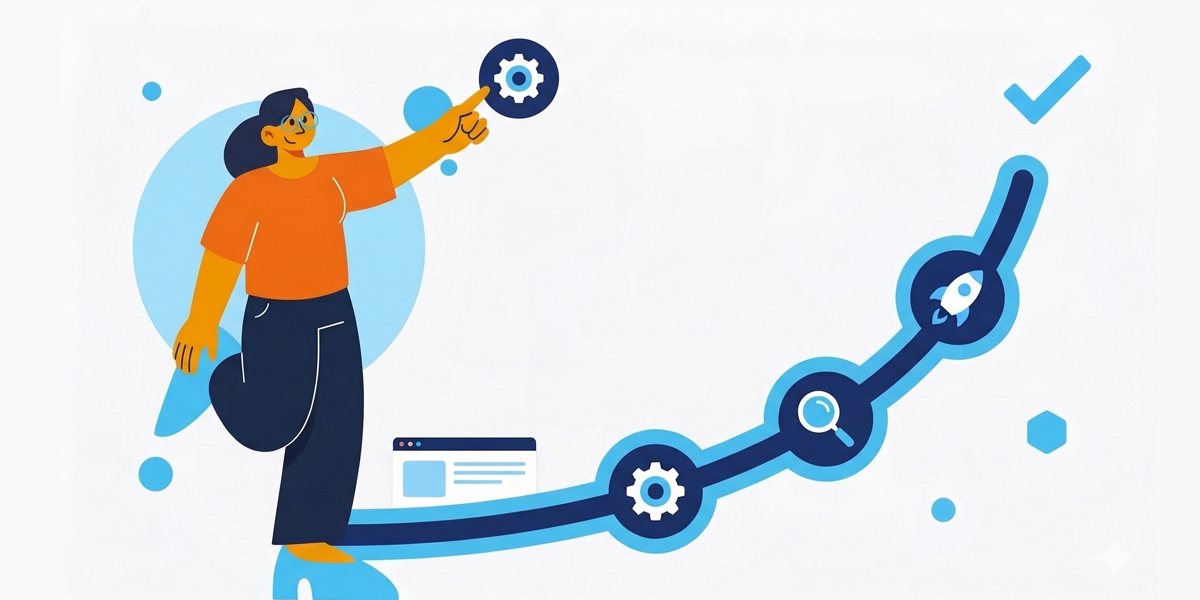
With the right structure and technology partner, personalization becomes a scalable, step-by-step process rather than a complex transformation project. Here’s what a practical e-commerce personalization roadmap can look like.
Phase 1: Build the Foundation
Infrastructure & Quick Wins
A common misconception is that personalization requires heavy development resources. In reality, trbo platform integrates seamlessly into existing shop systems and tech stacks via a lightweight setup.
This enables teams to start collecting behavioral and contextual data immediately, such as traffic source, device type, browsing patterns, or location.
What this enables
Instead of relying on assumptions, teams can start targeting users with relevant content. Even simple measures like dynamic banners or regionally adapted promotions can already deliver measurable performance improvements.
These early initiatives also create the data foundation for more advanced personalization later on.
Phase 2: Optimize Through Testing
Testing, Learning, Refining
With the foundation in place, the focus shifts to continuous optimization. Teams begin testing headlines, product placements, messaging, and on-site interactions.
A/B and multivariate testing allow decisions to be guided by real user behavior rather than intuition.
For example, global cosmetics brand L’Oréal ran targeted A/B tests on its mobile pages to optimize layouts and user flows. Instead of redesigning the entire mobile experience, the team iteratively refined key elements, resulting in an approximately 30% increase in mobile conversion rate.
What this enables
Optimization becomes an ongoing process. As more areas of the shop are tested and improved, each measure strengthens the overall personalization strategy.
Phase 3: Expand the Experience
Guided Selling & Intelligent Segmentation
With validated insights in place, personalization can evolve into holistic customer journeys.
Features such as guided selling modules, bundle recommendations, and dynamic audience segmentation allow brands to tailor experiences in real time. Visitors can be grouped based on behavior patterns, for example deal-oriented shoppers, returning customers, or high-intent users.
In another case study, V&S increased conversion value by 13% by implementing product recommendations aligned with customer interests and browsing behavior.
What this enables
Most importantly, these features become significantly more powerful when combined with earlier personalization measures.
Common Questions About Personalization
How does personalization increase conversion rates?
By reducing friction. When visitors see relevant content, tailored offers, or helpful product recommendations, decision-making becomes faster and easier.
The strongest impact occurs when multiple personalization initiatives work together across the entire shop.
Which teams benefit most?
- Marketing teams gain agility in campaign execution
- Product teams gain deeper insights into user behavior
- E-commerce managers see measurable performance improvements without rebuilding the tech stack
How complex is the integration?
Modern personalization platforms integrate smoothly with existing shop systems, CDPs, analytics tools, and BI environments allowing companies to enhance their capabilities without replacing their infrastructure.
Sustainable Growth Through Personalization
The path to personalization doesn’t require a massive transformation. It starts with a solid foundation, grows through continuous testing, and evolves into tailored user experiences.
Most importantly, personalization should never be treated as a single initiative. Sustainable growth happens when multiple optimizations across the shop continuously reinforce each other.
With the right roadmap, brands can transform static websites into dynamic, high-performing customer journeys, step by step.
Ready to take the next step?
Discover how a structured e-commerce personalization roadmap can unlock measurable growth across your digital channels.
See how trbo supports scalable optimization, and request your personalized demo today.